February 18, 2026
As global populations continue to rise, the demand for sustainable infrastructure maintenance becomes increasingly critical. Roads and highways are lifelines connecting regions and supporting economies, but they also pose significant environmental challenges. Through understanding and implementing sustainable practices in asphalt maintenance, particularly crack repair, communities can reduce environmental impacts while extending the lifespan of essential infrastructure.
Asphalt, a ubiquitous material in the construction of roads, presents unique challenges and opportunities in sustainability. While its use is widespread, without proper maintenance, it can contribute significantly to environmental degradation. By focusing on sustainable asphalt crack repair, we can align industry practices with global sustainability goals.
The importance of asphalt crack repair cannot be overstated. Not only does it ensure the longevity of road surfaces, but it also plays a crucial role in reducing the overall environmental impact of asphalt. This article delves into the multiple facets of sustainable asphalt repair, exploring materials, methods, and the critical need for policy and innovation in this arena.
Role of Asphalt in Modern Construction
Asphalt serves as the backbone of modern road construction, finding widespread use due to its durability and cost-effectiveness. However, consistent usage and environmental exposure lead to inevitable deterioration. Ignoring these maintenance needs can escalate the demands for complete overhauls, amplifying resource consumption. To counteract this, sustainable asphalt crack repair practices are paramount.
The material’s resilience offers significant advantages, including accommodating heavy traffic and enduring diverse weather conditions. Asphalt's flexible nature assists in absorbing shock and minimizing noise pollution, enhancing the road user experience. These attributes make it an attractive choice for urban planners aiming to balance performance and sustainability. Furthermore, according to the Asphalt Pavement Alliance (APA), asphalt is 100 percent reusable and recycled at a higher rate than any other material in America. This intrinsic recyclability highlights asphalt’s potential for sustainable infrastructure.
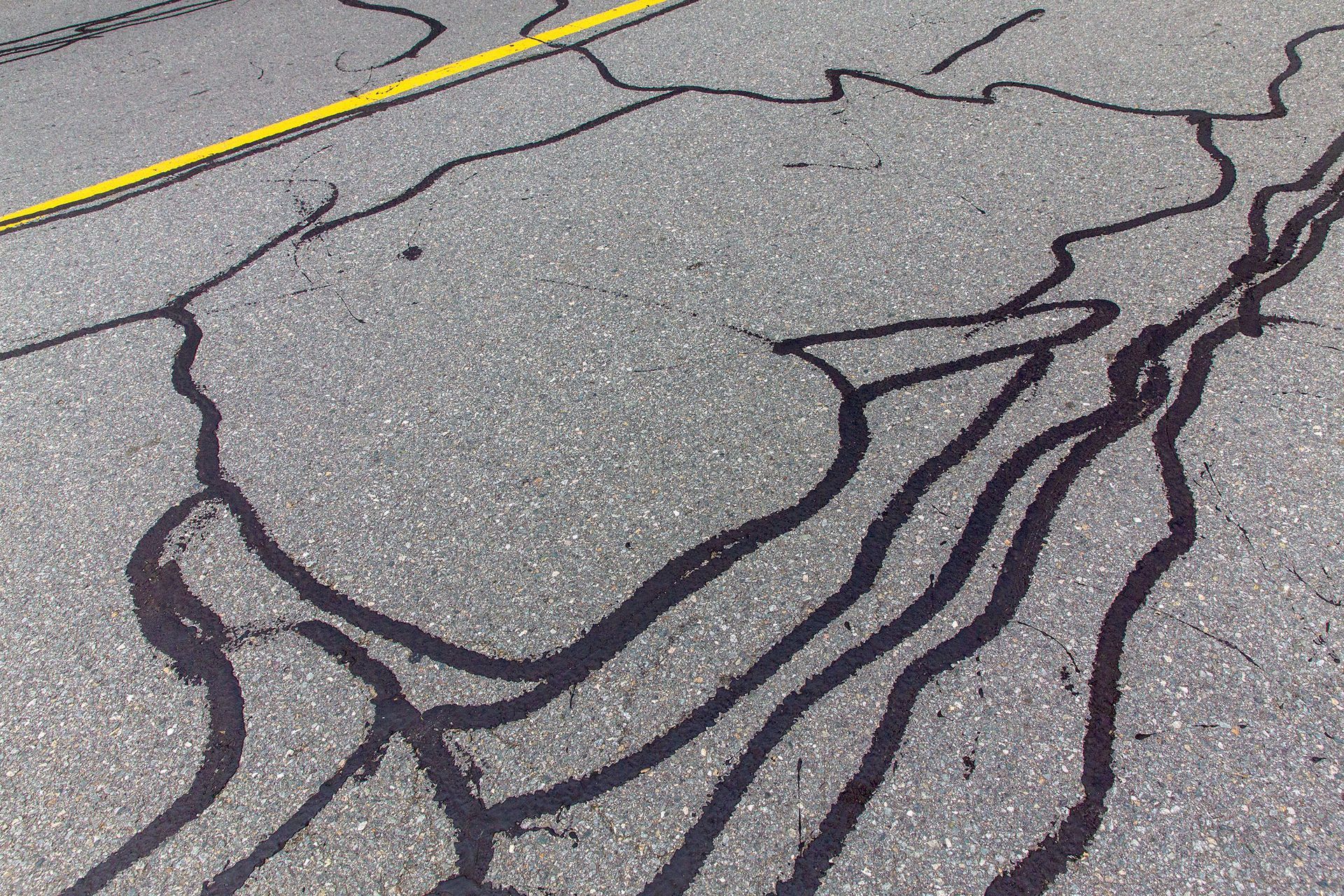
Despite its advantages, neglect in asphalt maintenance can lead to increased environmental burdens. Cracks, when left untreated, allow water infiltration, which leads to further structural damage and eventual replacement demands. Addressing these concerns with timely maintenance practices minimizes such risks and supports resource conservation. By embedding sustainability in maintenance plans, we extend the functional lifecycle of asphalt infrastructure, aligning with broader eco-friendly construction goals.
Environmental Impact of Asphalt Deterioration
Unmaintained asphalt surfaces significantly contribute to environmental degradation. Cracks left untreated expedite surface deterioration and can lead to the need for full pavement replacement, which is a resource-intensive process. Such projects demand extensive energy consumption, resulting in higher carbon emissions and increased natural resource extraction. Addressing cracks promptly helps avoid these intensive processes, showcasing how important crack repair is for sustainable management.
Deteriorating asphalt can also contribute to the urban heat island effect, which causes cities to experience higher temperatures than surrounding areas. Damaged roads absorb more solar radiation, exacerbating this effect and increasing the energy requirements for cooling urban environments. Sustainable crack repair initiatives promote temperature regulation, thereby reducing the power demands of nearby buildings and easing strain on urban energy grids.
Beyond energy implications, the runoff from deteriorating roads can carry pollutants into nearby ecosystems. These pollutants can harm water quality and local biodiversity. By prioritizing sustainable asphalt crack repair, we prevent such issues, protecting water bodies and enhancing the health and diversity of surrounding flora and fauna. This mitigation effort directly contributes to cleaner air and water, reinforcing the environmentally beneficial role of proper infrastructure maintenance.
Economic Benefits of Timely Asphalt Crack Repair
Economically, timely asphalt crack repair offers significant savings in maintenance and operational costs. Proactively addressing cracks prevents smaller issues from manifesting into larger, more expensive repairs or replacements. This early intervention helps reduce potential disruptions for commuters, conserving both time and budgetary resources. It ensures that road networks remain functional and safe, thereby supporting local economies.
The preventive nature of crack repair translates into extended surface lifespan, reducing the frequency of full-scale renovations. This not only conserves materials and labor but also lowers long-term public expenditures. By saving public funds, governments can allocate more resources to other critical community development projects or essential services, invigorating further social and economic benefits.
Additionally, the economic gains from sustainable asphalt maintenance can be observed through job creation. The industry provides an array of employment opportunities ranging from skilled labor to technological research and development. As communities increasingly adopt sustainability practices, there's a growing demand for innovation and expertise in eco-friendly materials and methods. This not only incentivizes sustainable practices but also bolsters local economies through enhanced employment prospects.
Enhancing Longevity of Asphalt Surfaces
One of the key advantages of timely asphalt crack repair is the significant extension of a pavement’s useful life. By meticulously addressing surface imperfections before they worsen, municipalities can add years to a road’s serviceability. This delay in surface replacement means less frequent disruption to transportation networks and minimal need for fresh construction materials. In essence, crack repair serves as a frontline approach to pavement preservation.
Enhancing the longevity of asphalt surfaces through maintenance reduces the environmental footprint of road networks. With each suppression of full-scale reconstruction, communities save on substantial energy and emissions typically associated with material production and construction activities. This energy conservation not only aligns with environmental objectives but also supports regional sustainability agendas.asp
Many cities adopt preventive maintenance plans structured around periodic crack assessments and repairs. Such initiatives are proactive, minimizing financial burdens by avoiding unexpected large-scale replacements while maximizing the material efficiency of existing road networks. Through this approach, infrastructure remains resilient, contributing to the long-term objective of sustainable urban development.
Aligning with Global Sustainability Goals
Sustainable asphalt crack repair initiatives play a vital role in aligning infrastructure practices with global sustainability goals. As nations agree to ambitious environmental targets, effective road maintenance emerges as a significant contributor to achieving these milestones. By incorporating sustainability into maintenance strategies, sectors work in concert to reduce carbon emissions and enhance resource efficiency.
Global agreements, such as the Paris Agreement, emphasize the need for reduced carbon footprints and mitigation of climate change impacts. While often focusing on larger industries, infrastructure maintenance like asphalt crack repair offers immediate opportunities for tangible improvements. Strategies that incorporate sustainable practices in road maintenance effectively contribute to the collective effort of environmental preservation.
As the globe works toward sustainability, maintaining and upgrading infrastructure to align with eco-friendly benchmarks is integral. Incorporating recycled materials, minimizing waste, and improving life cycles mean infrastructure development participates in broader sustainability objectives. This harmony between policy and practice cultivates innovation in urban planning and fosters a cleaner, healthier environment.
Eco-friendly Materials in Crack Sealants
The incorporation of eco-friendly materials into asphalt crack repair is instrumental in advancing sustainability. Modern sealants crafted from renewable resources or recycled content offer enhanced environmental credentials compared to traditional solutions. These sustainable sealants reduce reliance on newly-extracted materials, decreasing the associated resource depletion and energy use. Such products also perform on par with conventional options, delivering comparable durability and protection.
Numerous advancements in material science facilitate creating sealants that are both high-performing and eco-conscious. Innovations include the use of polymers derived from recycled plastics, which align with broader sustainability targets by placing previously waste-bound materials back into productive use. By prioritizing these sustainable materials, the construction industry supports circular economy principles, cutting down on waste and conserving resources for future generations.
Reach out to Austin's Asphalt today for more information on our professional asphalt crack repair! We look forward to working with you on your project!